Nutrition for triathlon and hydration
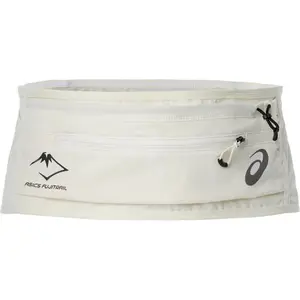
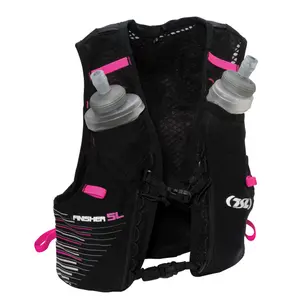
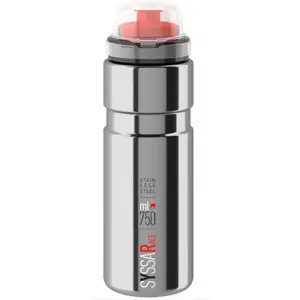
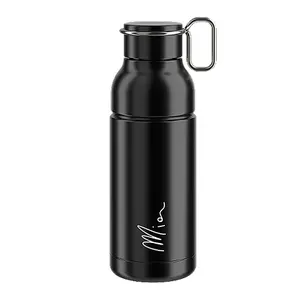
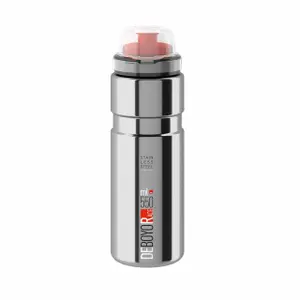
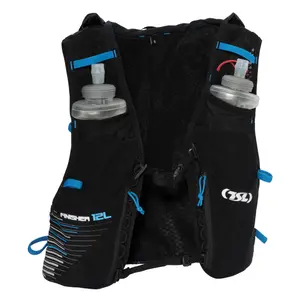
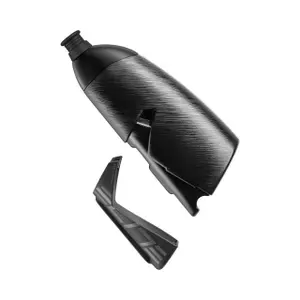
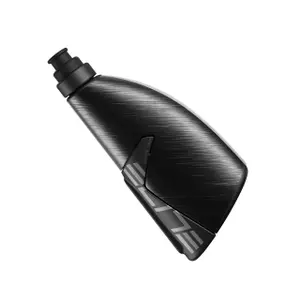
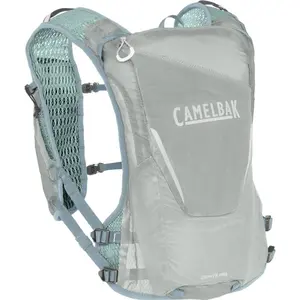
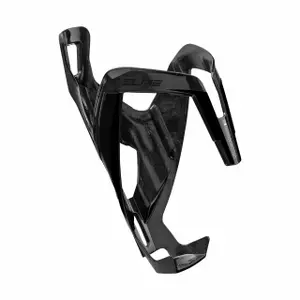
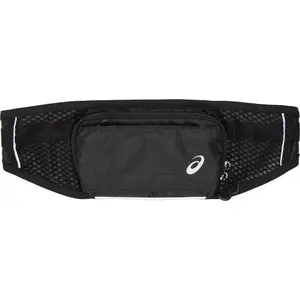
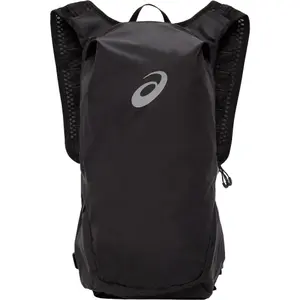
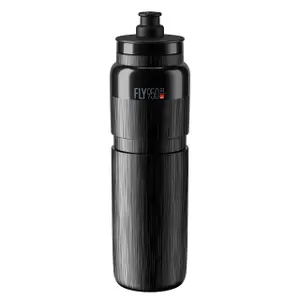
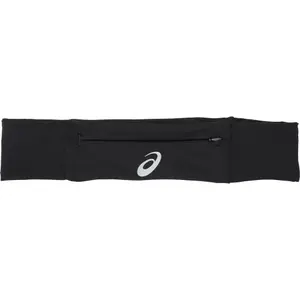
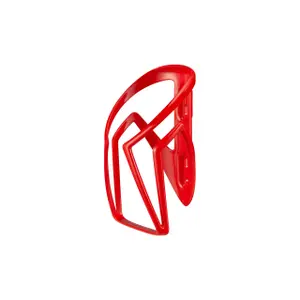
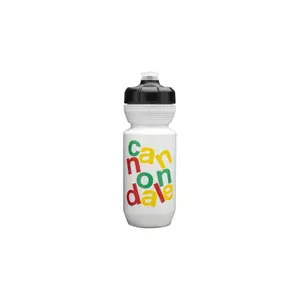
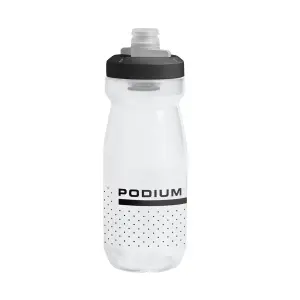
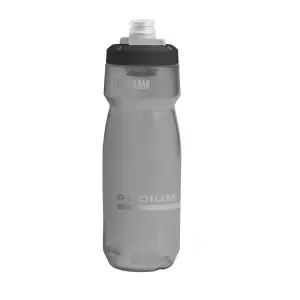
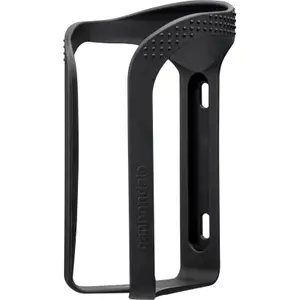
Test every gel and drink during training, never for the first time on race day: this is the basic rule of triathlon nutrition, and the one most often forgotten. Here, sports nutrition goes hand in hand with hydration gear.
Gels, bars, drinks, bottles, vests and recovery products: everything you need to drink and eat on the bike as well as during the race.
What should you eat and drink during a triathlon?
Easy-to-digest carbohydrates and water with electrolytes, in amounts suitable for the duration of the effort. For a sprint, good preparation and a bit of water are often enough. Beyond two hours of effort, you need to regularly take in energy; otherwise, your reserves deplete, and your pace will drop during the run.
For long efforts, a guideline often cited by endurance nutrition experts is between 60 and 90 grams of carbohydrates per hour, to be gradually achieved and only if your stomach can handle it. A mix of different sugars, glucose, and fructose helps to absorb more.
Hydration, nutrition, recovery: the four pages
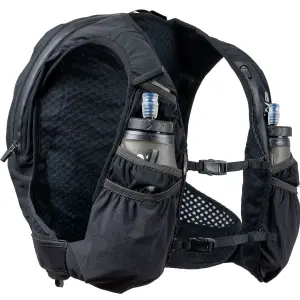
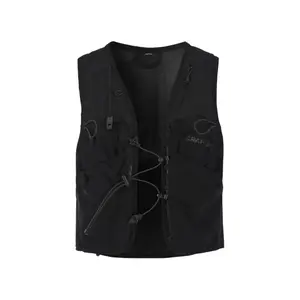
- Hydration: bottles and flasks, hydration packs and vests, belts to run with your drink.
- Sports nutrition: energy gels, bars, and performance drinks.
- Recovery: proteins, supplements, and care and massage products.
- Brands: a page for each sports nutrition manufacturer.
The bike, the best time to eat
During the swim, it’s impossible to eat. On the run, a jostled stomach digests less well. Therefore, the bike is the key moment: the position is stable, the bottles are within reach, and you can eat solid food.
Organise your bike accordingly. One or two bottle holders on the frame, possibly a bottle between the extensions, and gels stuck to the frame or stored in a pocket. Drink in small, regular sips rather than large amounts all at once.
During the run, aid stations take over. A soft flask or a hydration belt lets you be independent between stations, especially in hot weather.
After the finish line: rehydrate and rebuild
Recovery starts as soon as you finish. Drink water and electrolytes to make up for lost sweat, then eat carbohydrates to replenish your stores and proteins to help your muscles repair. A recovery drink, easy to slip into the transition bag, does the job when you don't feel like eating.
In the following days, care and massage help to relax your legs before getting back to training.
Science in Sport, Camelbak, Elite, Nathan: who does what
Science in Sport, a British sports nutrition brand, is known for its GO Isotonic gels, designed to be taken without water. Its range also includes electrolyte drinks and Beta Fuel products for long efforts.
Camelbak makes the Podium bottle, which automatically seals after each sip, as well as hydration vests and packs.
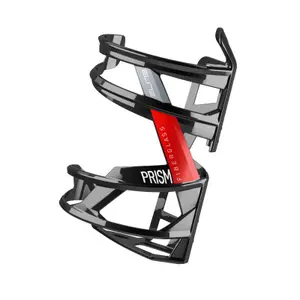
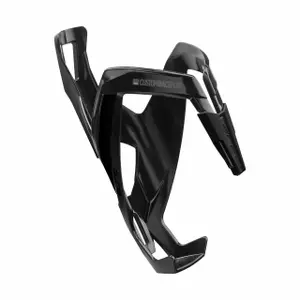
Elite, an Italian manufacturer of bike accessories, offers bottles like the Fly or the Jet and a wide range of bottle cages, including side-loading ones for smaller frames.
Nathan specialises in runner hydration, with vests like the Pinnacle and QuickStart packs for long outings.
Stock up without blowing the budget
Gels and drinks can be consumed quickly during preparation: it’s worth keeping an eye out for good deals. The Clearance page gathers end-of-line items, particularly for bottles and hydration accessories. The Sales are a great opportunity to restock. The New Arrivals showcase recently arrived products, handy for trying out a new flavour during training.
Frequently asked questions
How many gels should I take during a triathlon?
It all depends on the length of your race and what each gel contains. Calculate based on your target carbohydrates per hour, also counting energy drinks. For a sprint, one gel before the start is often enough; for a longer format, intake should be at regular intervals, especially on the bike.
Should I drink water with a gel?
With a regular gel, yes: a few sips of water help digest it. So-called isotonic gels are more liquid and can be taken without water. Avoid swallowing them with an energy drink, which would make for too concentrated a mix.
Why do I have stomach pain during a triathlon?
Often because a product is being tried for the first time on race day, or because everything is taken at the same time. The intestines adapt: gradually increase your intake during your long practices. Heat and intensity also make digestion harder.
What should I eat before a triathlon?
A meal rich in carbohydrates, low in fibre and fat, a few hours before the start, with foods you know. Avoid trying new things the day before and on the morning of the race. A last snack or gel just before the start can complement.
Vest, belt, or flask to stay hydrated while running?
For a race with aid stations, a flask or belt is sufficient. The hydration vest is mainly for long training sessions when you need to carry water, gels, and a windbreaker. Try it loaded before heading out far, to check it doesn’t bounce around.