Electronics and High-Tech Triathlon

Your dashboard to master the effort
In triathlon, "what isn't measured can't be improved." To progress and manage your pace in a long distance or Ironman format, you can't rely solely on your feelings. Our Electronics section brings together precision tools to quantify your load, guide your training, and secure your race.
Equip yourself with the complete ecosystem for triathletes:
- Multisport GPS Watches: Able to seamlessly switch between swimming, cycling, and running with one click, featuring a battery life designed for ultra-endurance.
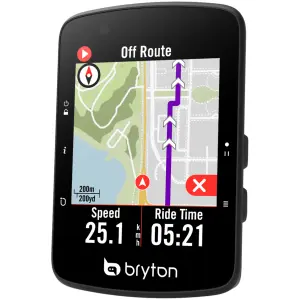
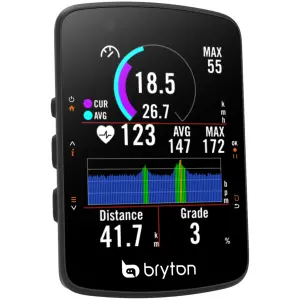
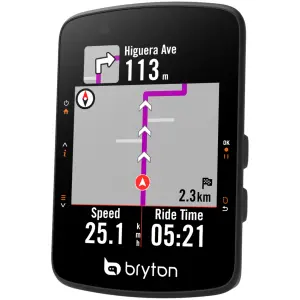
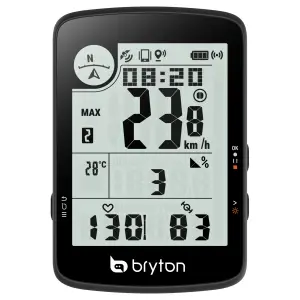
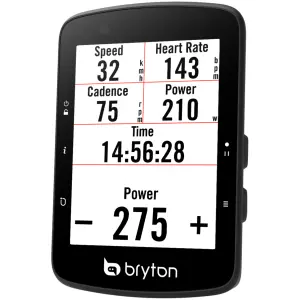
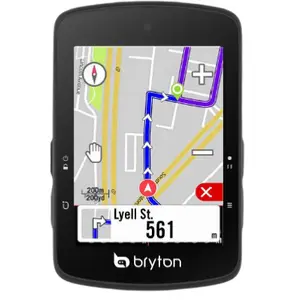
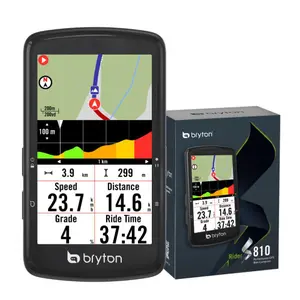
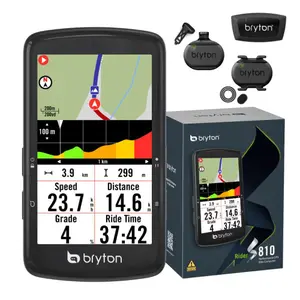
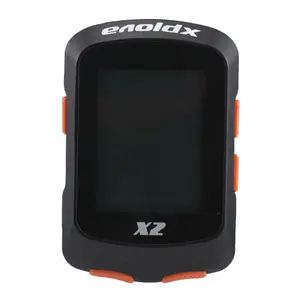
- GPS Bike Computers: To display your data (Power, Speed, Map) right in front of you without taking your hands off the handlebars, and to navigate new routes.
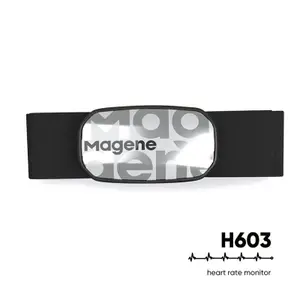
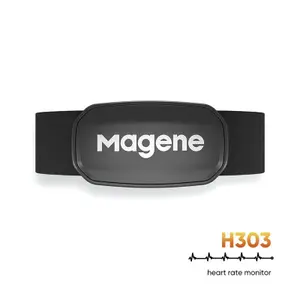
- Performance Sensors: Heart rate monitors and power sensors to train with precise zones, far from guesswork.
- Audio & Safety: Bone conduction headphones to listen to music while staying aware of your surroundings.
Take control of your data so you never run blind again.
Guide Expert: What electronic equipment for triathlon?
Electronics in triathlon serve three needs: managing pace, navigation, and recovery analysis. Here’s how to build your ecosystem:
1. The GPS Watch: The Central Brain
This is your number one investment. Unlike a regular running watch, a triathlon watch must have the "Multisport Mode". This allows you to switch from swimming to cycling and then to running with just one button press (the "Lap" button), including transition times.
Key criterion: Battery life. For an Ironman, aim for a watch that lasts at least 15 to 20 hours in active GPS mode.
2. The Bike Computer: Visibility
Why a bike computer if I already have a watch? For readability and safety. At 35 km/h, twisting your wrist to check your watch is dangerous and disrupts aerodynamics. The computer, mounted on the extensions, displays your Watts, cadence, and route in large font, helping you stay focused on the road.
3. The Sensors: Precision
To take it to the next level, you need to go beyond “feeling”.
The Heart Rate Monitor: More accurate than the optical sensor on your wrist (often affected by water or bike vibrations), it is essential for calibrating your effort zones.
The Power Meter: The ultimate judge on the bike. It measures actual mechanical effort (Watts) regardless of wind or incline. It’s the ultimate tool for managing your effort over 90km or 180km without burning out.